by Prince Abdul Cortes & John Urvie Papelleras
Still was the night on the 30th of September. The blaring noise in the streets was thinning out into a lullaby, and the evening air was on its course to welcome the first minutes of October. Then, like a crack running down a wall, the night changed without warning. At precisely 9:59 p.m., a magnitude 6.9 earthquake rocked the coast of Bogo City, Cebu, recorded to be one of the strongest earthquakes in the region.
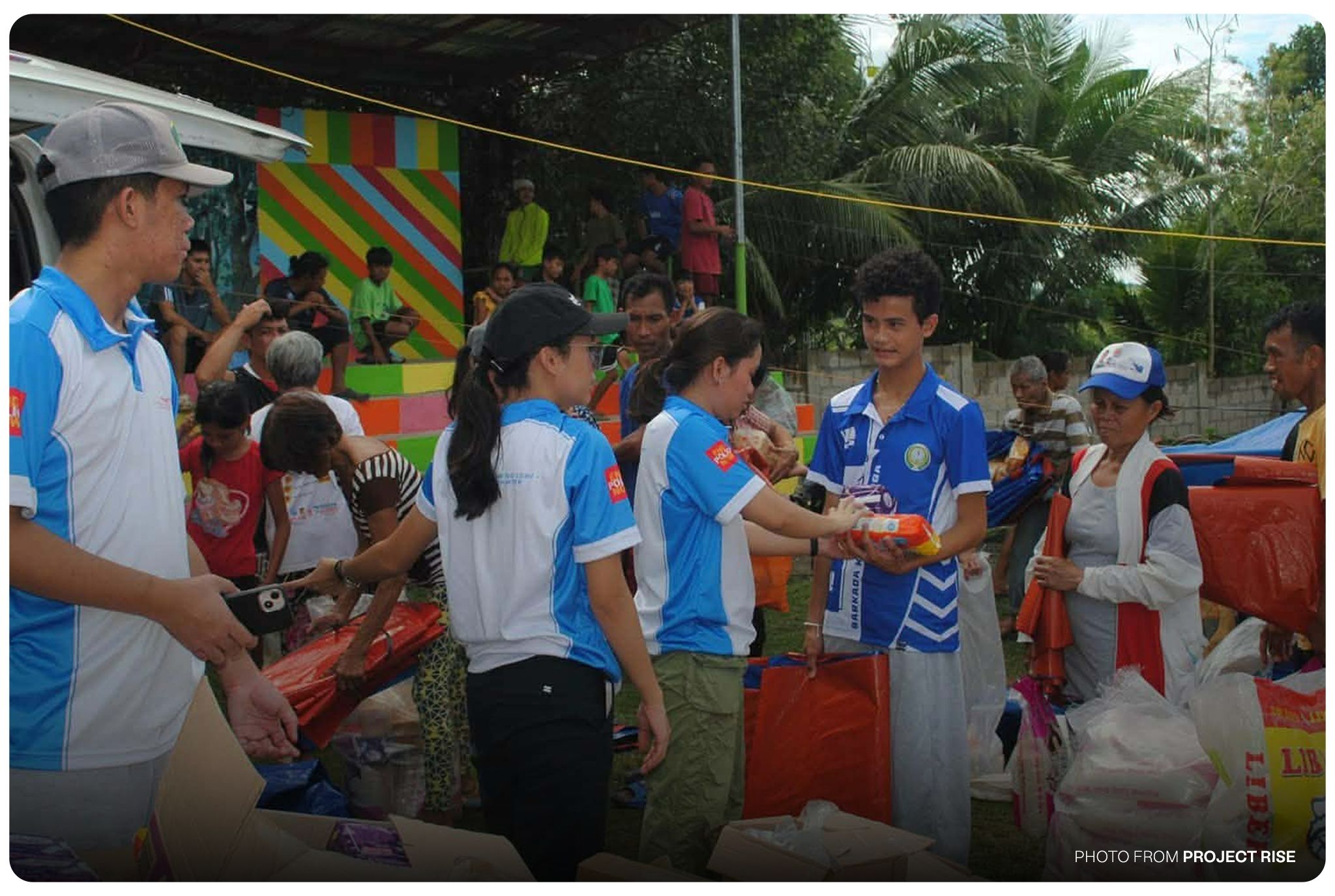
In the face of the aftermath, the months that followed became a period of recovery. Rescue operations kicked off, donation drives ran on track, and placards held up by the trembling hands of residents in northern Cebu were gradually answered. In the midst of a province in ruin, a message emerged: the community spirit of Cebuanos remains burning, and amongst the communities who heeded this call were the Teknoys.
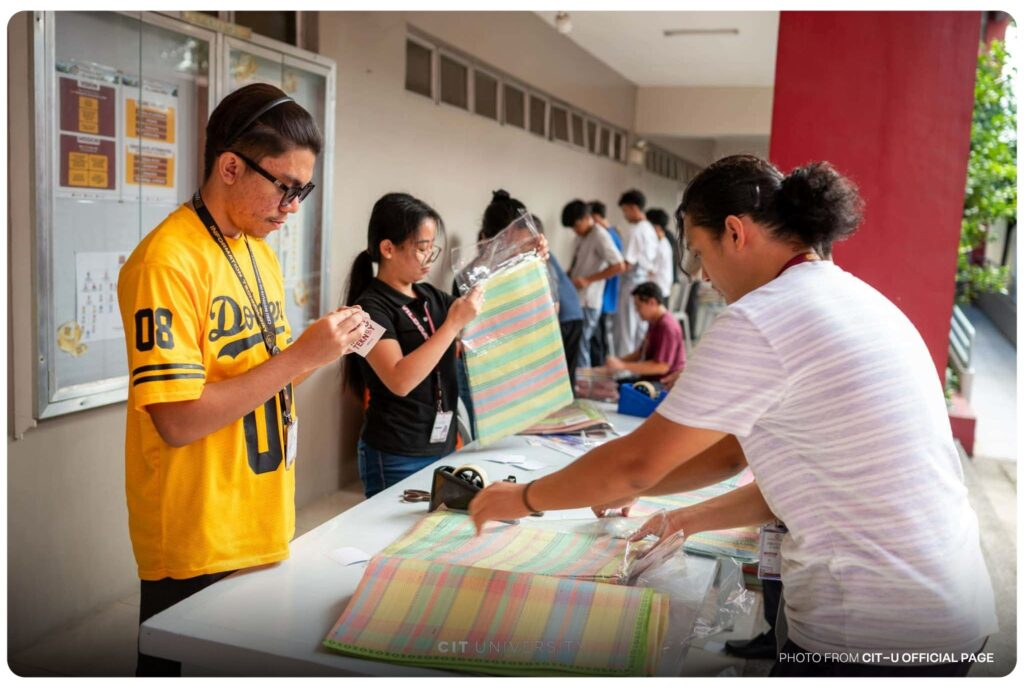
One of the Teknoys who volunteered for the relief operations was third-year Civil Engineering student Rad, an officer of the student organization Philippine Institute of Civil Engineering – Cebu Institute of Technology–University Student Chapter (PICE–CIT–U SC). Rad joined his fellow Teknoy volunteers in handing aid for the most affected areas. Seeing the situation of the ground zero for the first time, Rad described what he felt as “a mix of emotions, both of joy and sorrow”.
“I was happy that I along with others were able to extend help to those affected, but I also couldn’t help but wonder how they were truly feeling. The smiles we saw might’ve been hiding pain and uncertainty. It really made me reflect on how strong people can be even in the face of adversity,” he said.
Several student organizations—program-based, advocacy-based, and admin-commissioned— from CIT–U conducted their own relief operations, most of which have coordinated together to unify the support from the Teknoy community. Several also coordinated with the local government to centralize their donations.
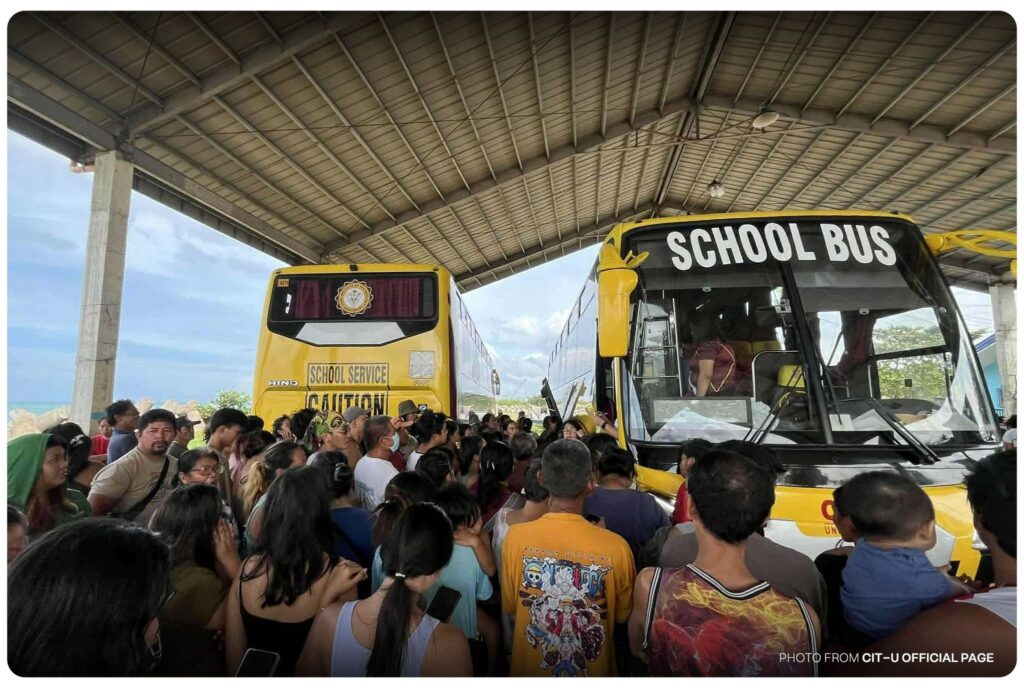
In the first week of October, the Teknoys were among the hundreds of students that gathered together for the repacking of relief goods and other in-kind donations under the LGUs, academic institutions, and non-governmental organizations such as Angat Buhay.
Medical students were one of the valorous to respond, offering basic assistance, treating minor injuries, checking on the vulnerable sides, and extending comfort to those shaken by the earthquake. The University has also extended relief aid to the affected Teknoys, participated in structural assessments, and deployed a water filtration system.
Despite the surge of assistance, however, recovery was not exponential. Consecutive aftershocks threatened the newfound hope the victims have been gripping on as they continue to grapple with the physical damages and psychological strain the disaster has brought. From there on, it became clear that this would become one of the most difficult challenges the province would have to surmount.
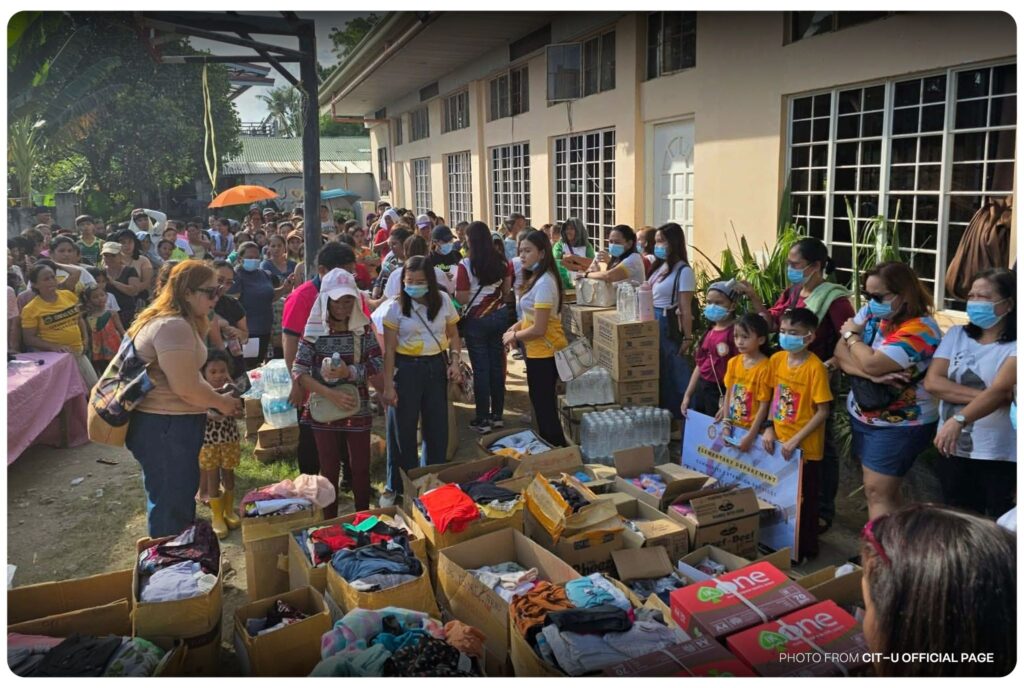
Though this display of resilience and community spirit was commended, it had not gone past the heads of Cebuanos and Teknoys alike to demand for accountability. With the violent blow of the earthquake, a broken system was uncovered—corruption in the collapsed government infrastructures, incompetence in the simple distribution of goods, uncoordinated local government operations, and abysmal disaster preparedness despite decades of repeated earthquakes battering the country.
Until now, the province has not completely healed. The magnitude 6.9 earthquake has shaken the land in an intensity that almost made hope an impossibility, a mere figment of imagination. Terror lingered, even more so after the cascade of calamities that followed. In a different light, meanwhile, the entire province has been reminded of the familial oneness that its people possess.
The evening of September 30th will always be remembered—for how it violently demolished a community, and how the community came together to rebuild itself.